
Cost & Process of Underground Drain Repairs Explained
Underground drain problems can be stressful because the issue is often hidden beneath your yard, driveway, basement floor, or foundation. A slow drain, sewage smell, a soggy lawn, or repeated backups may seem like a simple clog at first, but they can indicate a damaged underground drain or sewer line.
For homeowners in Southern Oakland County, Wayne County, Downriver, and the greater Metro Detroit area, understanding the repair process can make the situation easier to manage. At Best Plumbing, our team helps homeowners identify the problem, understand their options, and choose the right repair solution for their home.
What Is Underground Drain Repair?
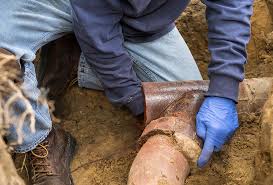
Underground drain repair involves locating and fixing damaged drain or sewer piping below the surface. These lines carry wastewater away from your home, so even a small break, blockage, or collapsed section can create serious plumbing issues.
Common underground drain problems include cracked pipes, tree root intrusion, pipe corrosion, soil movement, major clogs, and aging sewer lines. In older homes, pipe materials may wear down over time, making them more likely to fail.
Signs You Need Underground Drain or Sewer Repair
Homeowners should watch for warning signs that may indicate a deeper plumbing problem. These include slow drains throughout the home, gurgling toilets, sewage odors, wet spots in the yard, basement drain backups, or frequent clogs that return after cleaning.
One clogged sink may be a simple fixture issue. However, several drains backing up at once often means the problem is farther down the line. A professional inspection can determine whether the issue is a blockage, pipe damage, or a sewer line concern.
Typical Underground Drain Repair Process Explained
The process usually begins with a drain or sewer camera inspection. This allows a plumber to look inside the line and find the location and cause of the problem. Once the issue is identified, the plumber can explain whether the pipe can be cleaned, repaired, or replaced.
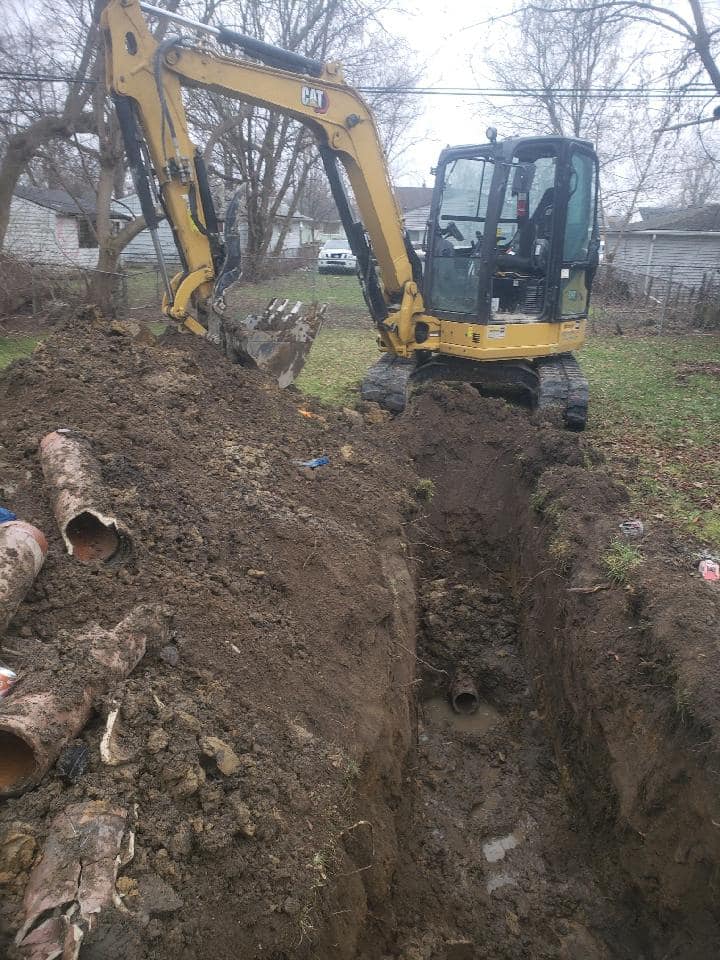
If excavation is needed, the affected area is carefully accessed to repair the damaged section. In some cases, a smaller repair may solve the problem. In other situations, a larger section of pipe may need to be replaced to restore reliable flow.
After the repair is complete, the line is tested to confirm that wastewater is moving properly. The goal is to fix the problem correctly and reduce the chance of repeat backups.
Factors That Affect Underground Drain Repair Costs
Underground drain repair costs vary because every home and plumbing system is different. The final price may depend on the pipe depth, the length of the damaged section, the pipe material, soil conditions, access to the repair area, and whether excavation is required. Hidden costs can also arise from restoring landscaping, concrete, flooring, or driveways after the pipe is accessed. This is why a clear inspection and honest estimate are important before work begins.
Repair vs Replacement: What Is Best?
A repair may be the best option when the damage is limited to one small section of pipe. Replacement may be a better long-term solution when the line is old, badly damaged, collapsed, or affected by repeated root intrusion.
Best Plumbing helps homeowners compare both options so they can make an informed decision. The right choice depends on the condition of the pipe, the cost of repair, and the likelihood of future problems.
How Best Plumbing Handles Underground Repairs
Best Plumbing has served Southeastern Michigan and the Metro Detroit area for over 40 years. As a family-owned, licensed, bonded, and insured plumbing company, we focus on honest recommendations, fair pricing, and quality workmanship.
If you suspect an underground drain or sewer problem, do not wait for the issue to become an emergency. Reach out to Best Plumbing. We are ready to help.
Image credit: // Shutterstock // ungvar