
How to Detect and Prevent Common Plumbing Leaks
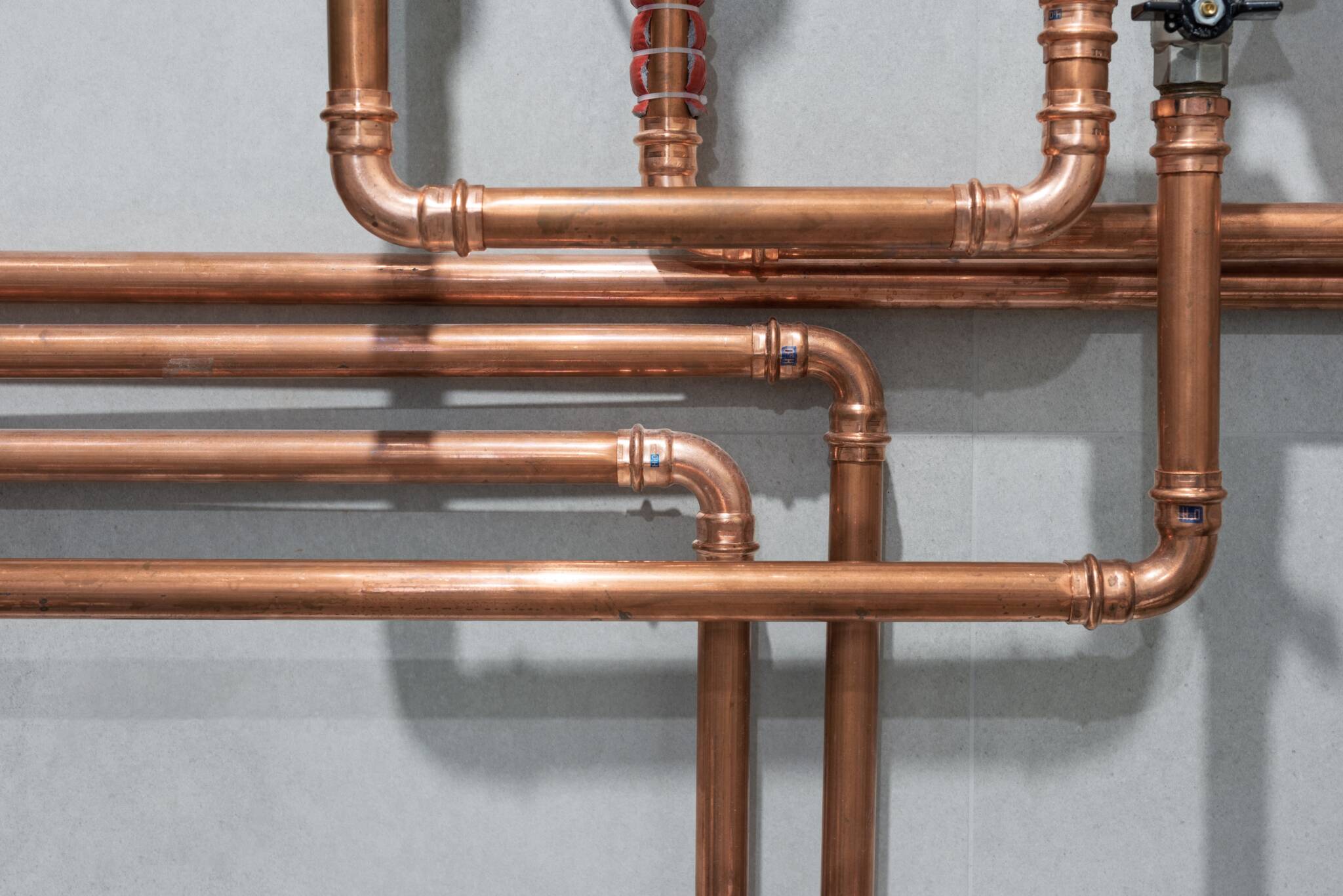
Before the cold weather truly settles in, you need to take charge of your home’s most vulnerable system: the plumbing. We all know the danger—frozen pipes, leaks, and burst water lines. They aren’t just a headache; they’re a major financial catastrophe that brings extensive water damage and massive emergency repair bills. Learning how to properly winterize your plumbing system now is the best insurance policy for a safe, efficient, and worry-free season.
Here at Best Plumbing, we’ve been working with Michigan homeowners for over four decades, preparing their houses for the worst of our winters. Our licensed and insured technicians offer the real-world, trusted expertise and reliable service your family deserves when the temperatures inevitably plunge.
Why Skipping Winterization is a Costly Gamble
When the thermometer dips below freezing, the water trapped inside any uninsulated pipes will expand. This simple physical process generates enormous pressure, often enough to crack or shatter the pipe walls. Think about this: a single cracked pipe can dump hundreds of gallons of water into your home in just a few hours. The result? Structural chaos, dangerous mold growth, and a devastating restoration job.
Winterizing your plumbing isn’t just about avoiding a disaster; it’s about safeguarding the longevity of your entire water system. It’s also smart for your wallet because proactive maintenance prevents drips and keeps water flowing correctly, saving energy. We’ve seen countless times at Best Plumbing how a little preparation early in the season saves families from the stress and expense of a full-blown plumbing emergency.
Your Hands-On Checklist for Winterizing Pipes
Getting your plumbing ready for the cold snap will dramatically cut the risk of freezing, leaks, and expensive repairs. Follow these essential, practical steps to protect your house before the deep freeze arrives.
- Wrap Those Pipes: Insulating exposed pipes is perhaps the easiest and most effective defense against freezing. Concentrate your efforts on chilly spots like basements, crawl spaces, attics, and external walls. Grab some foam insulation sleeves or fiberglass wrap and securely tape or wire-tie them in place, paying special attention to fully sealing all joints. Pipes that maintain a consistent temperature use less energy and run more efficiently all winter long.
- Clear Outdoor Lines: Any water left sitting in exterior faucets or garden hoses is just waiting to freeze and cause damage. Find the interior valve connected to your outdoor spigots and shut it off entirely. Now, open the exterior faucet to drain the remaining water out. Disconnect all garden hoses and store them somewhere warm, like a garage, to prevent them from cracking. You might even consider upgrading to frost-proof hose bibs for future protection.
- Banish Cold Drafts: A blast of cold air can freeze an exposed pipe surprisingly fast. Walk the perimeter of your house, checking where any plumbing enters or exits through the walls, floors, or cabinets. Use caulk or expanding foam to seal those gaps and stop the cold air infiltration. Don’t forget those under-sink areas and utility closets that often lack proper insulation. Sealing drafts helps your heating bill and protects your pipes.
- Give the Water Heater a Tune-Up: Your water heater has to work overtime in winter. Take a moment to inspect the unit for any corrosion, leaks, or sediment build-up. If it looks rough, flush the tank. Check that the thermostat is set to 120°F for the best balance of safety and efficiency. Insulating the nearby exposed pipes helps it retain heat, reducing wear and tear.
Smart Habits for Surviving the Deep Cold
Even after all the preparation, small maintenance habits will keep your system strong throughout the coldest weeks.
- Keep Water Moving: If the weather forecast calls for brutally cold temperatures, let a slow, thin trickle of water (both hot and cold) run from a faucet on an exterior wall. This slight movement is usually enough to prevent the pressure from building up and causing a freeze.
- Open Cabinets: Throw open the cabinet doors under sinks, especially those on outer walls, to allow the warm air from your house to circulate around the pipes.
- Know Your Shut-Off: You must know the exact location of your home’s main water shut-off valve. If a pipe does burst despite your efforts, knowing how to immediately cut the water flow is the single most important step to limiting the damage.
Taking the time to do this essential winterization now will help you avoid the heartache and expense of frozen pipes and water damage later. A few preventive steps are all it takes to guarantee your home’s comfort and efficiency all season long.
For trusted, expert service when you need it most, contact us at Best Plumbing today. We’re always here to help you get prepared.
Image Credit: tetiana_u