
Why Sump Pumps Fail: The Core Culprits
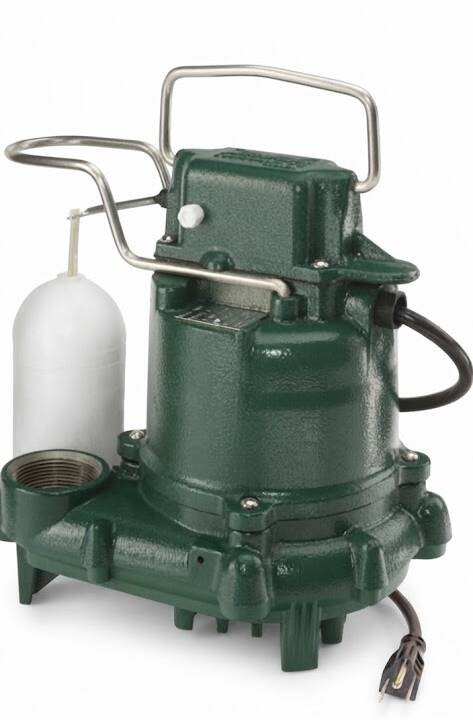
Why Sump Pumps Fail: The Core Culprits
Like any mechanical device, a sump pump will inevitably experience wear and tear over its typical 7 to 10-year lifespan. Here are the most common reasons they unexpectedly quit:
1. Stuck Float Switches
The single most common mechanical cause of pump failure involves the float switch. As water fills the basin (pit), a floating mechanism rises like a toilet tank float to trigger the pump. Cheap “tethered” floats can easily drift, get wedged against the pit wall, or tangle with the power cord. When a switch gets stuck, the pump either won’t turn on at all, or it will run continuously until the motor burns out.
2. Power Outages
Sump pumps run on electricity. Ironically, the severe thunderstorms that bring torrential downpours are also the most likely events to knock out your neighborhood’s power grid. Without electricity, a standard pump is completely useless just when you need it most.
Sump Pump
3. Missing or Broken Check Valves
Sump Pump
A check valve is a small, one-way valve installed on the discharge pipe. It allows water to pump up and out, but prevents it from falling back down when the motor shuts off. If this valve is missing or broken, a pipe full of water drains right back into the pit. This creates a vicious cycle where the pump turns on and off repeatedly (short-cycling), causing the motor to rapidly overheat and die.
4. Clogged Basins and Frozen Lines
An open sump pit acts like a magnet for dirt, gravel, and debris. Over time, this sludge can clog the intake screen or jam the internal impeller. Additionally, if your discharge pipe empties outside where it can freeze during harsh winters, ice will block the line. The pump will try to push water against a solid block of ice until the motor burns out.
5. Incorrect Pump Sizing
• Undersized: If the pump lacks enough horsepower or flow capacity to match severe rainfall, it will become overwhelmed and wear out early.
• Oversized: A pump that is too powerful empties the small pit in a matter of seconds, shuts down, and turns right back on as the water flows back in. This constant rapid cycle destroys the motor.
6. Silt Storm Water
Certain types of water and harsh environmental conditions can severely damage or prematurely destroy a sump pump. Abrasive groundwater laden with silt, sand, or heavy sediment acts like liquid sandpaper, rapidly wearing down the internal impeller, seals, and bearings. Additionally, water containing high mineral content (hard water) or iron bacteria can cause stubborn scale and sludge buildup that clogs intake screens and jams float mechanisms. During freezing winter months, standing water in exterior discharge lines that turns to solid ice creates intense backpressure, forcing the motor to strain against a blockage until it overheats and burns out.
7. Regularly Cleaning and Maintainence
Your sump pump pit is essential to extending the life of your equipment and preventing unexpected basement flooding. At least once or twice a year—ideally before the heavy spring rain season—disconnect the power, pull the pump from the basin, and scoop out accumulated silt, gravel, hair, and debris from the bottom. Rinse the pit and the pump’s intake screen thoroughly with a garden hose. While the unit is accessible, manually lift the float switch to ensure it moves smoothly without catching on the sidewalls, and inspect the check valve to confirm it is properly preventing water from flowing back down into the basin. Finally, pour a bucket of clean water into the pit to test the automatic switch activation and ensure the pump discharges outside smoothly before plugging it back in.
8. How Long Should a Sump Pump Last
A standard sump pump typically has a lifespan of 7 to 10 years, though this can vary significantly depending on how hard the unit works and the conditions in your basement. Pumps installed in areas with heavy water tables, frequent severe storms, or abrasive groundwater containing sand and silt tend to wear out much faster due to the constant strain on the motor and internal impeller. Conversely, units that see less frequent use and receive routine annual maintenance, cleaning, and testing are much more likely to reach the upper end of that lifespan. Because a sudden failure during a major rainstorm can lead to severe basement flooding, it is wise to proactively test your pump annually and plan for a replacement once it approaches the 8-to-10-year mark.
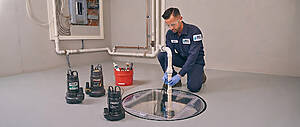
Sump Pump Installation & Repair | Best Plumbing Co.